
Laser Rangefinder — Precision Distance Measuring for Construction, Surveying, Engineering & Industrial Use
Explore our professional Laser Rangefinder collection designed for accurate, fast, and safe distance measurement across construction, surveying, industrial inspection, electrical installation, forestry, warehousing, and outdoor measurement tasks.
Our range includes compact handheld models, high-precision long-range tools, Bluetooth-enabled smart rangefinders, and rugged industrial devices built for demanding field environments.
NDTMachine supplies high-end Laser Rangefinder. Contact us and get your NDT supplies at affordable price.
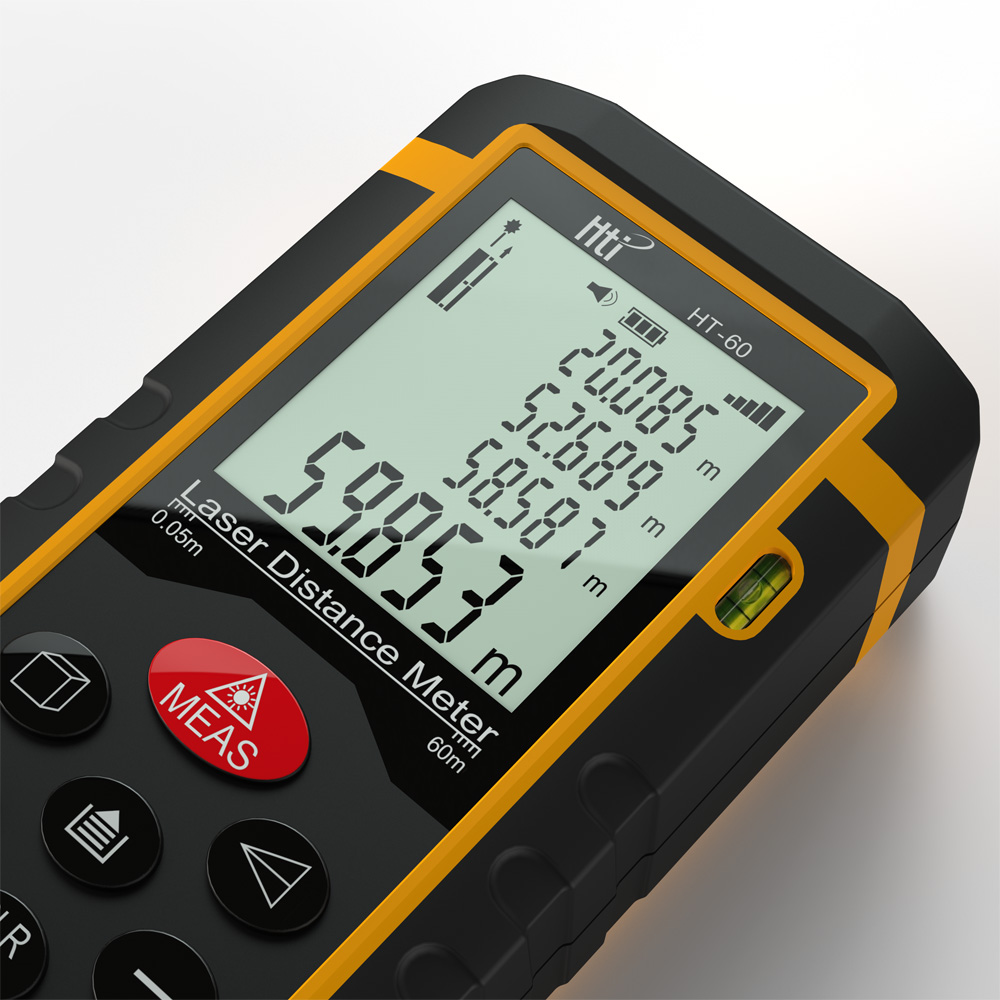
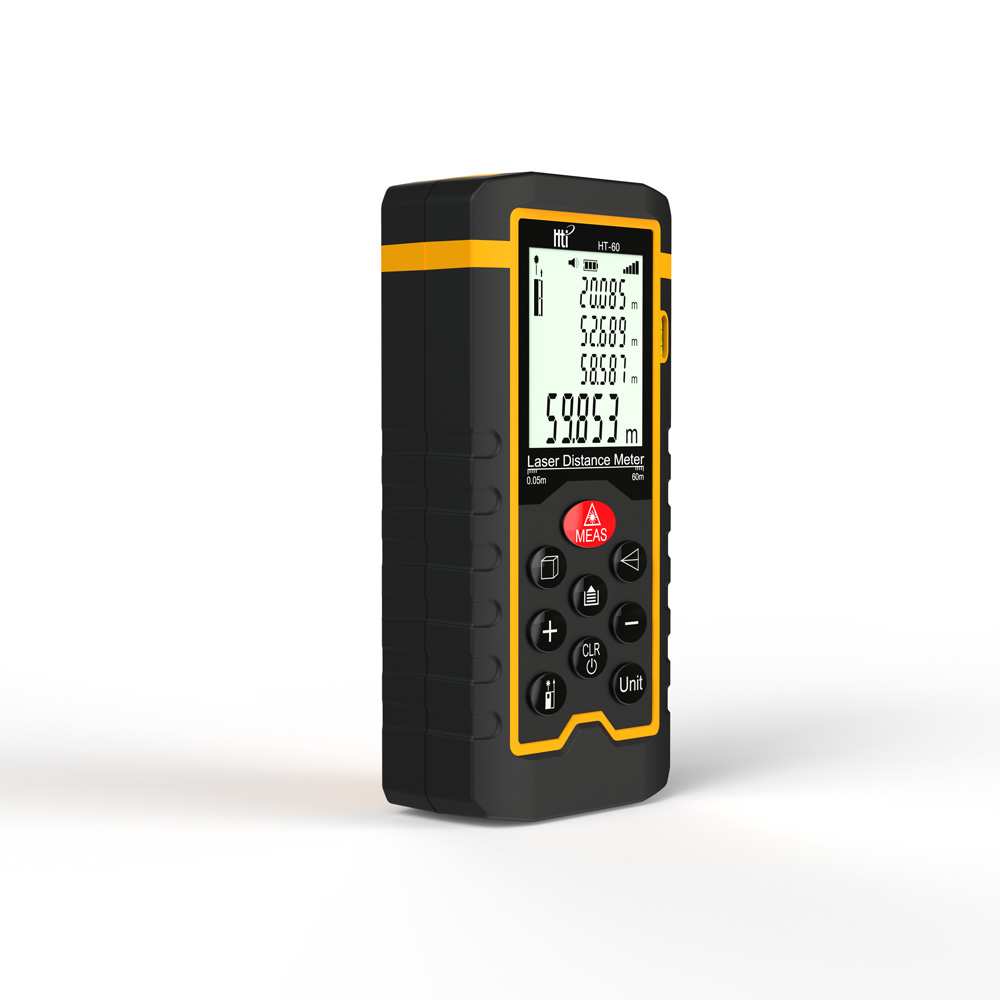
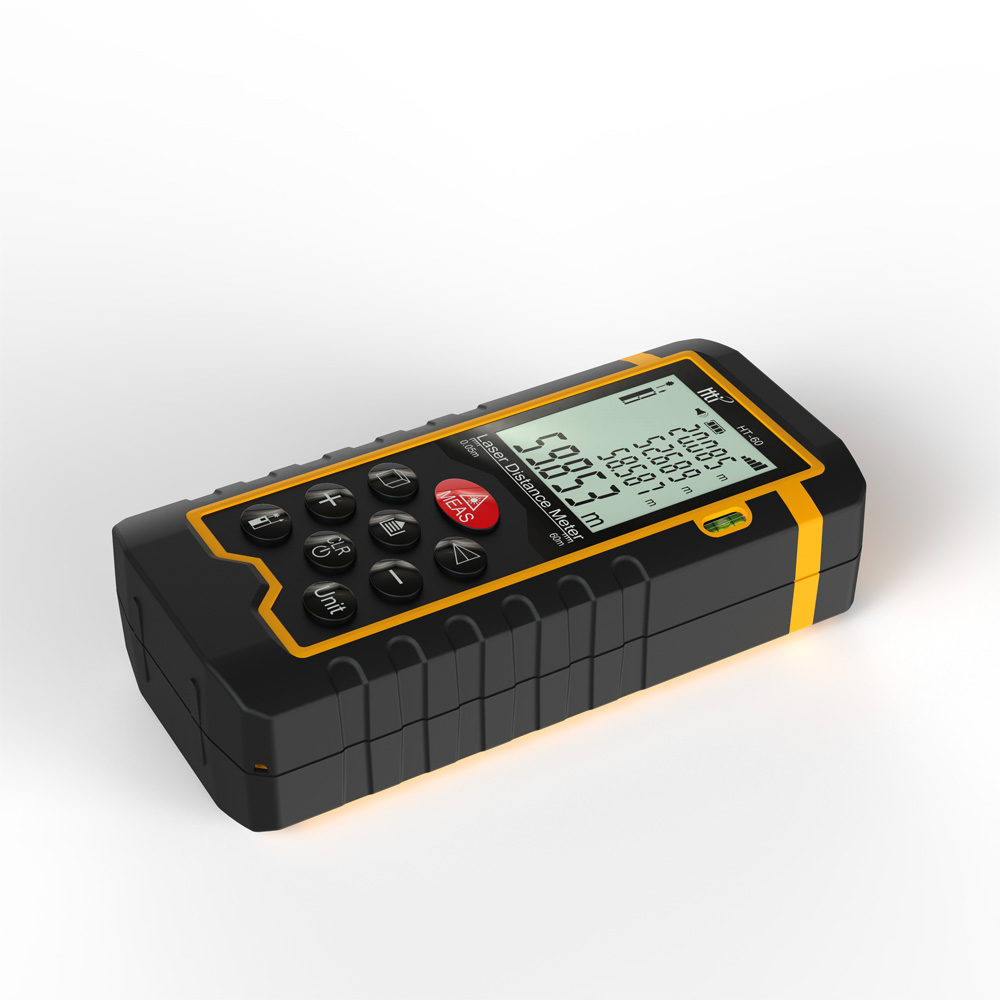

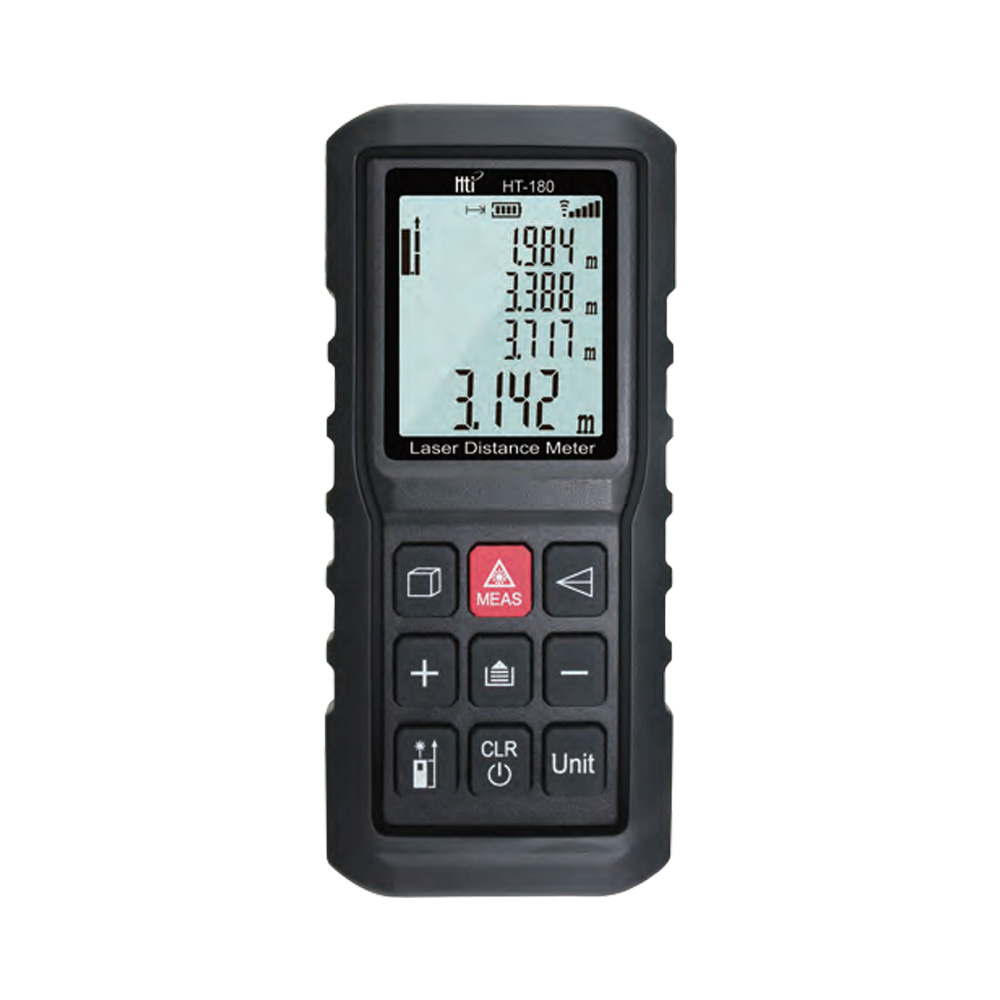
Laser Rangefinder Sales
Laser rangefinders provide non-contact distance measurement using Class II or Class I laser technology, offering superior accuracy, convenience, and speed compared to manual measuring tapes or ultrasonic devices. Whether you are a builder, engineer, inspector, architect, technician, or outdoor professional, a high-quality laser rangefinder greatly improves measurement efficiency and eliminates human error.
High Accuracy
Instant Results
Long Measuring Range
Easy to Use
Safe & Non-contact
Smart Calculation Tools


Why Choose a Laser Rangefinder?
High Accuracy — Typical precision from ±1 mm to ±3 mm, even at long distances.
Instant Results — One-click measurement with digital output—no tape fumbling or misalignment.
Long Measuring Range — From 40 m to 120 m for handheld models; up to 600 m or more for outdoor laser/optical rangefinders.
Easy to Use — Clear backlit screens, intuitive buttons, and automatic calculations.
Safe & Non-contact — Measure heights, spans, and distances without climbing, lifting, or hazardous exposure.
Smart Calculation Tools — Area, volume, Pythagorean, indirect height, angle, and continuous measurement modes.
Bluetooth Connectivity — Sync measurements to mobile apps, floor plans, and CAD layouts on supported models.
Compact & Durable — Drop-resistant, dust-proof, and weather-resistant housings for demanding environments.
Key Features You Will Find in Our Laser Rangefinders
High Contrast LCD / Color Display
For clear reading indoors and outdoors.Continuous Measurement Mode
Displays live distance as you move the device.Area & Volume Calculations
Automatically calculate room size and capacity.Pythagorean Mode
For indirect height measurement when the top of the structure is not accessible.Built-in Tilt Sensor / Inclinometer
Provides angle measurement and compensates for non-level surfaces.Memory Storage
Save dozens of measurements for fast referencing.Bluetooth App Integration
Export, log, and annotate measurements on drawings or photos.Rugged Build
Water-resistant, dust-proof, and shock-proof enclosures for real-world job sites.
Product Types in This Category
| Category | Typical Range | Accuracy | Best For | Key Features |
|---|---|---|---|---|
| Compact Indoor Laser Rangefinders | 20–60 m | ±1.5 mm | Home renovation, interior layout | Pocket size, backlit display, simple functions |
| Professional Indoor/Outdoor Rangefinders | 40–120 m | ±1–2 mm | Construction, engineering, industrial use | Multi-function math mode, tilt sensor, Bluetooth |
| Outdoor Laser/Optical Rangefinders | 200–600+ m | ±1–3 m | Forestry, outdoor surveying, long-distance measurement | High-power beam, optical scope, long-range targeting |
| Bluetooth Smart Rangefinders | 40–100+ m | ±1–2 mm | CAD layout, architectural design, real-time digital recording | App sync, floor plan mapping, data export |
Applications of Laser Rangefinders
Construction & Renovation
Room dimensioning
Ceiling height measurement
Floor layout planning
Interior finishing and fit-out
Drywall, tiling, and flooring estimates
Surveying & Engineering
Field layout
Level difference estimation
Indirect height calculations
Bridge, tunnel, and structural measurement
Electrical & Mechanical Installation
Cable runs
HVAC duct spacing
Pipe routing
Panel height & equipment clearance checks
Warehouse & Logistics
Storage rack measurements
Aisle width verification
Pallet sizing
Dimensional audits for shipping
Outdoor & Forestry
Tree height
Boundary estimation
Plot mapping
Outdoor object ranging (model-dependent)
Architecture & Interior Design
Space analysis
Furniture layout
3D modeling input
Fit-out planning
Inspection & Industrial Maintenance
Clearance distance
Machine envelope measurement
Safety perimeter checks
NDT and structural inspection support
How Laser Rangefinders Work
A laser rangefinder emits a safe, low-power laser beam that travels to the target surface and reflects back to the device. Using Time-of-Flight (TOF) or Phase-Shift measurement technology, the device calculates distance by analyzing how long the reflected light takes to return.
Key technical factors affecting performance:
Reflectivity of surface — lighter and matte surfaces measure better than shiny or dark ones.
Ambient lighting — bright sunlight may require an outdoor or optical-viewfinder model.
Stability — holding the device steady improves long-distance accuracy.
Choosing the Right Laser Rangefinder (Buyer’s Guide)
When selecting a rangefinder for professional work, consider these criteria:
1. Measuring Distance Requirements
Indoor rooms → 20–50 m
Construction sites → 40–100 m
Outdoor surveying/forestry → 200–600+ m
2. Accuracy Expectations
Precision installation work → ±1 mm
General construction → ±1.5 to ±2 mm
Outdoor long range → ±1–3 m depending on model
3. Environment
Indoor → standard laser
Outdoor → optical viewfinder + powerful laser + sun filter lens
Industrial → IP-rated and reinforced housing
4. Functions Needed
Basic distance only
Area/volume
Height/indirect measurement
Bluetooth export
Angle/inclination
5. Display & Interface
Backlit LCD for indoor
High-brightness color screen for outdoor
Multi-unit reading (m/ft/in)
Usage Tips for Better Accuracy
Aim at matte surfaces when possible (use target plates outdoors).
Hold the device steady or brace against a wall/pillar.
Avoid pointing at glass or shiny metals, which may reflect the beam away.
Indoors, turn on continuous mode for quick layout scanning.
Outdoors, use models with optical sights or higher-power visible lasers.
Store measurements digitally for traceability and records.
Frequently Asked Questions
1. What is a laser rangefinder used for?
A laser rangefinder measures distance quickly and accurately for construction, surveying, installation, interior layout, engineering, and outdoor ranging.2. How accurate are laser rangefinders?
Typical handheld units offer **±1–2 mm** accuracy indoors, while long-range outdoor models offer **±1–3 m** depending on design.3. Can laser rangefinders be used outdoors?
Yes. Choose models with a **powerful laser**, **optical viewfinder**, or **high-brightness screen** for sunny environments.4. What is D:S ratio in laser rangefinders?
Unlike infrared thermometers, rangefinders don’t use D:S; they measure direct optical distance. The key factor is **beam visibility and reflectivity**, not spot size.5. Do laser rangefinders work on glass or shiny metal?
Performance may be reduced due to reflections. Use a **target plate** or measure on matte surfaces when possible.6. What is Pythagorean measurement mode?
It allows height or distance measurement **without directly accessing the target**, using two or three angled measurements.7. Are laser rangefinders safe? What laser class are they?
Yes. Most handheld units use **Class II** or **Class I** lasers, which are safe for normal use when operated correctly.8. Can rangefinders store measurements?
Most professional models store **20–100 readings**, and Bluetooth models can sync measurements to phone/tablet apps.9. Can I use a rangefinder for floor plan or CAD apps?
Yes. Bluetooth-enabled models integrate with design apps, floor-planning tools, and documentation software.10. What is the difference between a laser rangefinder and a total station?
A laser rangefinder provides quick, single-point distance measurement, while a **total station** performs precise surveying, angle measurement, and geospatial mapping.Why Global Clients Choose Us?
At NDTMachine, we are committed to providing high-quality thickness gauges that meet the demands of today’s industries. Our products are designed with a focus on accuracy, durability, and ease of use, ensuring that you can trust them for critical measurements. With years of experience in manufacturing NDT equipment, we have built a reputation for excellence and innovation.
40 Years of Expertise
We have 40 years of experience in the professional production of ultrasonic flaw detectors, an annual output of more than 10,00 ultrasonic flaw detectors, thickness gauges, ultrasonic probes and calibration blocks.
Talented Engineers and support team
As of September 2021, we have a total of 125 employees, including nearly 45 professional and technical workers who are masters or doctorate degree holders.
Advanced production equipment
We have Complete machining workshop, CNC, CNC machine tools, and more than 50 other types of processing equipment,to ensure high-precision product parts.
Excellent After-Sales Service
We provided excellent after-sales service, including fast delivery, online training, immediate feedback of trouble shotting.
Leave you Enquiry
Request an Appointment
Still not sure which NDT is right? Get a free initial consultation right now. Our team will analyze your needs and recommend the most suitable sensor for you